Reliable Leak Detection: Safeguard Your Home Against Hidden Water Damage
Reliable leak detection is fundamentally important in maintaining a home's integrity. Undetected water damage often causes substantial financial burdens and potential health concerns. Residents frequently fail to notice initial signs, like unexplained discoloration or lingering musty scents. By understanding these indicators and employing advanced detection methods, they can protect their property. However, many remain unaware of the most effective tools and strategies available. What actions can be implemented to keep a home secure from these unseen risks?
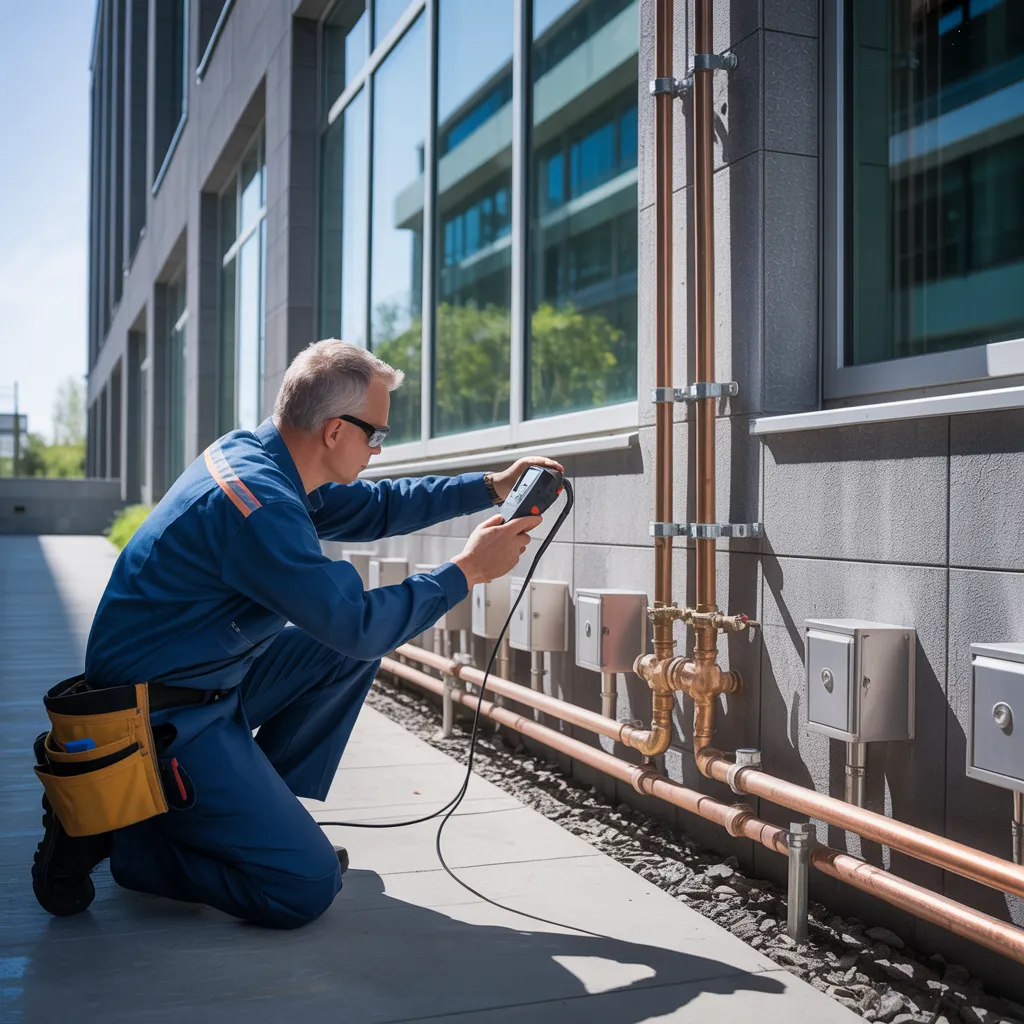
Reasons to Make Leak Detection a Priority
Why should homeowners prioritize leak detection? Homeowners must recognize that undetected leaks can result in significant structural damage and costly repairs. Water penetration can weaken the integrity of walls, foundations, and electrical systems, resulting in unsafe living conditions. Additionally, prolonged moisture can foster mold growth, which poses health risks to occupants.
Investing in proactive leak detection protects the home while also increasing property value. By identifying leaks early on, homeowners can minimize potential harm, thereby avoiding the financial burden associated with extensive repairs. Routine inspections paired with cutting-edge detection technologies can reveal concealed problems that might otherwise remain hidden. Fundamentally, emphasizing leak detection secures the long-term integrity of the home and fosters a safer, healthier environment. By staying proactive, homeowners can safeguard their investment and enjoy peace of mind.
Typical Indicators of Water Leaks You Should Identify
While water leaks might begin as minor issues, the warning signs can become more apparent when left unaddressed. Property owners ought to watch carefully for a number of telltale signs of water leaks. A common indicator includes water stains appearing on ceilings or walls, that often present as yellowish or brown discoloration. Moreover, damp or stained areas on the floor can point to underlying moisture problems beneath.
An additional warning sign is the presence of dripping or running water sounds when all fixtures are turned off. A sharp rise in the water utility bill, without an obvious reason, can also point to hidden plumbing leaks. Mold or mildew growth in spaces such as bathrooms or basements is yet another telling sign of persistent moisture issues. Lastly, distorted or buckled flooring may point to excessive moisture exposure. By detecting these indicators in a timely manner, homeowners are able to take preventive steps to prevent significant damage and costly repairs.
Key Methods for Effective Leak Detection
Recognizing water leaks early is essential for keeping a home in good condition and stopping widespread harm. Multiple techniques are accessible for effective leak detection, accommodating a range of needs and circumstances. Visual assessments frequently act as the initial protective measure; residents can look for clear indicators such as water marks or mold development. Thermal imaging technology is yet another approach that applies infrared detection to identify temperature variations, revealing concealed leaks inside walls or ceilings.
Acoustic leak detection uses sound waves to pinpoint leaks, rendering it highly effective for concealed or buried pipes. Pressure testing entails tracking the pressure inside plumbing systems to recognize anomalies that suggest potential leaks. Moreover, moisture meters can assess dampness in materials, supplying quantitative data on probable leak sources. Each of these methods offers unique advantages, enabling homeowners to choose the most suitable approach for their specific needs and guaranteeing proactive steps against water damage.
Selecting Effective Leak Detection Tools for Your Home
How can homeowners guarantee they are equipped with the right tools for effective leak detection? Selecting appropriate tools is essential for identifying hidden leaks before they cause significant damage. Important equipment includes moisture meters, which measure the humidity level in walls and floors, helping to pinpoint damp areas. Infrared imaging devices are highly beneficial, as they reveal temperature fluctuations, pointing to potential leaks hidden behind walls.
Additionally, acoustic detection tools can identify the audio signal of water flowing out from pipes. Homeowners who favor manual methods, basic dye testing are highly useful for checking toilet water leaks. Homeowners should also consider investing in advanced leak detection technology that deliver real-time alerts through smartphone applications. At the end of the day, being aware of the individual characteristics of their home and the various potential water issues will direct homeowners in identifying the most suitable leak detection tools, guaranteeing they remain equipped to avoid costly water damage.
Implementing Preventative Measures Against Water Damage
Installing water-resistant materials in basements, kitchens, and bathrooms can significantly lower the risk of damage. Homeowners should also think about installing moisture detectors, which can provide early warnings of leaks. Thoughtful landscaping, such as sloping the ground away from the house, can effectively redirect water away from foundations. Ultimately, maintaining indoor humidity levels can prevent mold growth, which is often a consequence of undetected water issues. By taking these proactive steps, homeowners can greatly reduce the likelihood of costly water damage.
When Should You Call a Pro for Leak Detection?
At what point should you seek expert help for leak detection? Property owners ought to reach out to an expert when they observe recurring damp patches, mysterious spikes in their monthly water expenses, or an enduring musty scent that does not go away despite regular cleaning attempts. Additionally, if water stains appear on ceilings or walls, it might suggest an underlying leak that necessitates advanced diagnostic instruments. Professionals possess the expertise and equipment, such as thermal imaging cameras and moisture meters, to identify the source of the problem accurately.
Moreover, if a homeowner has attempted DIY solutions without success, turning to a specialist is the wise course of action to minimize the risk of worsening conditions. Residences that have outdated plumbing infrastructure or have undergone recent construction are also at higher risk for leaks, underscoring the value of a qualified professional's review. Ultimately, early engagement of an experienced leak detection professional prevents homeowners from facing major repair bills and severe water damage in the future.
Frequently Asked Questions
How Regularly Should I Look for Leaks in My House?
Property owners should check for leaks no less than twice annually, particularly around seasonal shifts. Routine checks assist in detecting problems before they worsen, minimizing damage and repair costs associated with hidden water leaks throughout the property.
Can Leaks Occur in Appliances Like Dishwashers or Refrigerators?
Indeed, leaks may develop in home appliances such as refrigerators and dishwashers. Over time, seals can deteriorate or hoses could develop wear, resulting in possible water damage if not regularly inspected and maintained.
What Long-Term Damage Can Undetected Water Leaks Cause?
Undiscovered water leaks are capable of causing serious structural damage, the growth of mold, rising utility bills, and health issues. Over time, these problems may escalate, resulting in costly examine this material repairs and possible loss of property value.
Are Leaks More Likely to Happen During Certain Seasons?
Leaks are more likely throughout the winter months, because dropping temperatures lead to pipes bursting, and in spring, when melting snow and heavy rainfall can overwhelm drainage systems. Awareness of these seasonal patterns aids in preventive measures.
How Can I Tell if My Water Meter Indicates a Leak?
To check whether a water meter is showing a leak, it is advisable to record the meter reading before and after a time of no water consumption. A difference in the reading points to a likely leak somewhere in the system.